How to Choose a Reliable Indoor Lighting Manufacturer: A Complete Buyer's Guide (2026)
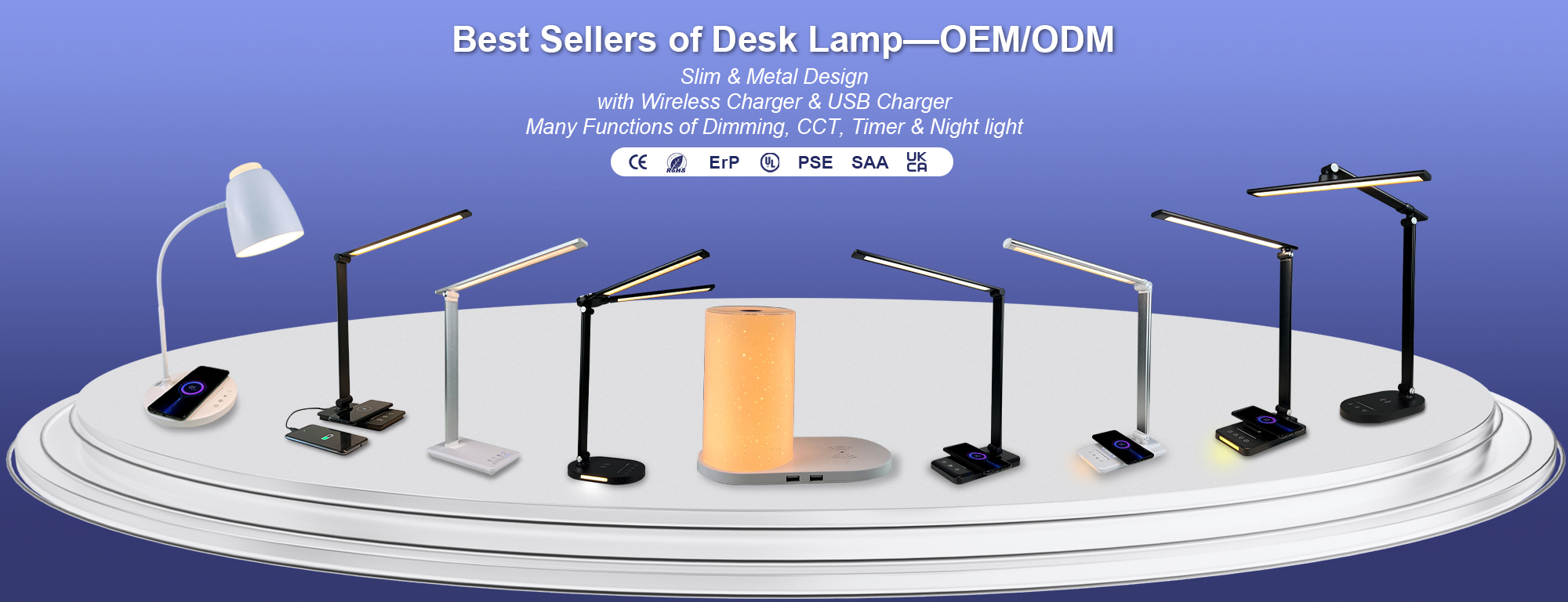
Choosing the wrong indoor lighting manufacturer costs more than just money. It costs time, shelf space, customer trust, and in some cases — an entire product launch.
If you’re sourcing desk lamps, table lamps, floor lamps, or wall lights at volume — for retail chains, hospitality projects, or your own brand — this guide will walk you through every factor that separates a reliable long-term partner from an expensive mistake.
We’ll cover what to ask, what documents to request, and which red flags to walk away from.
1. Manufacturer vs. Trading Company: The First Question to Ask
Before you evaluate pricing or MOQ, confirm whether you’re talking to an actual manufacturer or a middleman.
Trading companies source products from multiple factories and add a margin. They are not inherently bad partners — but they have limits. They cannot:
- Customize a product beyond their supplier’s mold library
- Guarantee production quality at the component level
- Provide original test reports tied to your specific SKU
- Commit to meaningful post-shipment warranty support
A true indoor lighting manufacturer controls its own production line, R&D, quality inspection, and tooling. That control translates into lower prices, faster iteration, and fewer surprises when a shipment arrives.

How to verify: Ask for a factory audit report (BSCI, Sedex, or equivalent), a production facility video, or a site visit. A legitimate manufacturer will not hesitate.
2. Certifications: What They Mean and How to Confirm Them
Every lighting supplier claims to be “certified.” The question is: certified for which market, by whom, and is it verifiable?
Here’s what actually matters depending on your market:
| Certification | Target Market | What It Means |
| CE | European Union | Safety, health, and environmental protection compliance |
| UL / ETL | North America | Product safety testing by an accredited lab |
| UKCA | United Kingdom | Post-Brexit safety marking (replaced CE in the UK) |
| RoHS | Global | Restricts hazardous substances in electronic equipment |
| BSCI / Sedex | Global (Retail) | Social compliance — confirms ethical factory practices |
| IP Rating | Depends on product | Dust and moisture resistance (e.g., IP44, IP65) |
Red flag: A supplier sends you a certificate with a different product model number or company name. Always cross-reference the certificate against the exact SKU you are ordering.
Retailers like Walmart, Carrefour, and Leroy Merlin require BSCI or equivalent social audits before placing orders. If you’re supplying to major chains, confirm this from day one.
3. OEM & ODM Capabilities: Can They Build What You Actually Need?
Most buyers come with a vision. A reliable manufacturer should be able to turn that vision into a production-ready product.
OEM (Original Equipment Manufacturer): You provide the design; they manufacture it.
ODM (Original Design Manufacturer): They provide an existing design; you customize branding, color, packaging, or features.
When evaluating OEM/ODM capabilities, ask:
- Do they have an in-house R&D team? (Look for engineers, not just sales reps)
- Can they produce 3D renderings and prototypes before tooling?
- What elements can be customized? (Base material, cord length, CCT, driver type, switch type, packaging)
- How long does it take to go from approved sample to first production run?
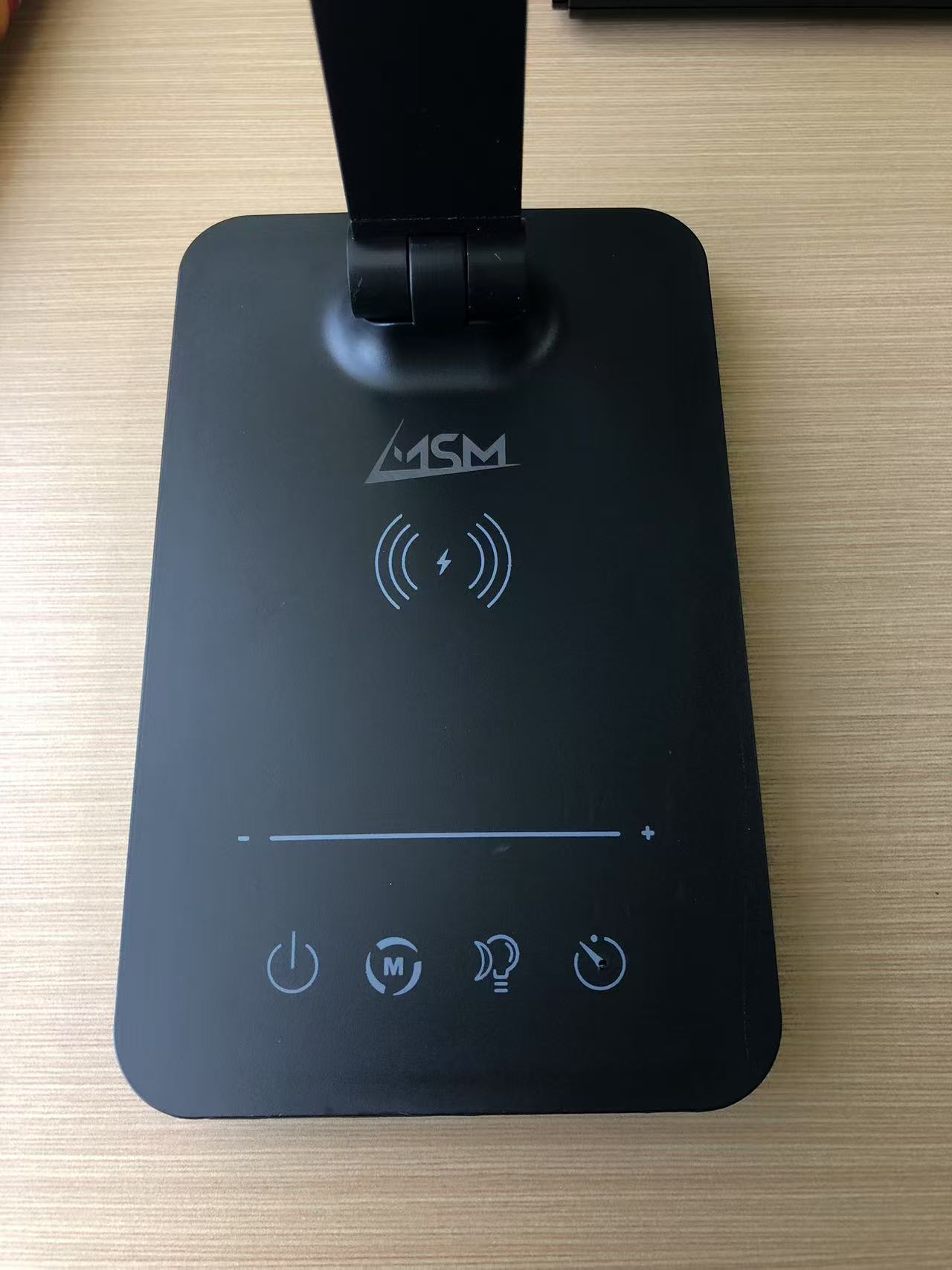
A factory with genuine OEM capability will walk you through a structured development process — concept → 3D model → prototype → revision → approved sample → production. If they skip stages or push back on documentation, that’s a signal.
4. Minimum Order Quantity (MOQ): Matching Your Stage of Growth
MOQ is often where deals fall apart — or where buyers overcommit and get stuck with slow-moving inventory.
Here’s a practical framework:
| Buyer Stage | Recommended MOQ Range | Why |
| Brand launch / testing | 100–300 units | Validate market fit before scaling |
| Regional retail rollout | 300–1,000 units | Enough for distribution without overstock risk |
| Large-scale retail chain | 1,000+ units | Leverage unit economics; justify custom tooling |
Some manufacturers set high MOQs (2,000–5,000 units) because they’ve optimized their lines for large runs. Others — particularly mid-sized factories — can accommodate lower quantities because they run mixed production schedules.
Tip: If the MOQ seems unusually low (under 50 units), confirm whether the “factory” is actually a trading company. True manufacturers have real production minimums driven by material procurement and machine setup costs.
5. Quality Control Process: What Happens Before the Shipment Leaves
A product that passes visual inspection at the factory can still fail in the field. Ask how the manufacturer controls quality throughout production, not just at the end.
Key questions to ask:
- Incoming material inspection: Do they test components (LED drivers, lamp beads, wiring) when they arrive from sub-suppliers?
- In-line inspection: Are there quality checkpoints during assembly, not just at the end of the line?
- Final product testing: What percentage of units are tested? What tests are performed (electrical safety, photometric output, life cycle)?
- Third-party audit access: Will they allow your appointed QC agency (e.g., SGS, Bureau Veritas, QIMA) to inspect before shipment?
.png)
A manufacturer that has supplied to large retail chains will already have documented QC procedures. Ask for their quality manual or recent third-party audit reports.
6. Lead Time and Communication: The Hidden Cost of Slow Responses
A manufacturer might have perfect products and certifications — but if it takes 48 hours to get a reply to a basic question, that friction compounds across an entire sourcing relationship.
Evaluate two things:
1. Communication responsiveness:
- Do they respond within 24 hours?
- Do you get a technical contact (not just a sales account manager)?
- Can they communicate clearly in writing, without requiring constant phone calls?
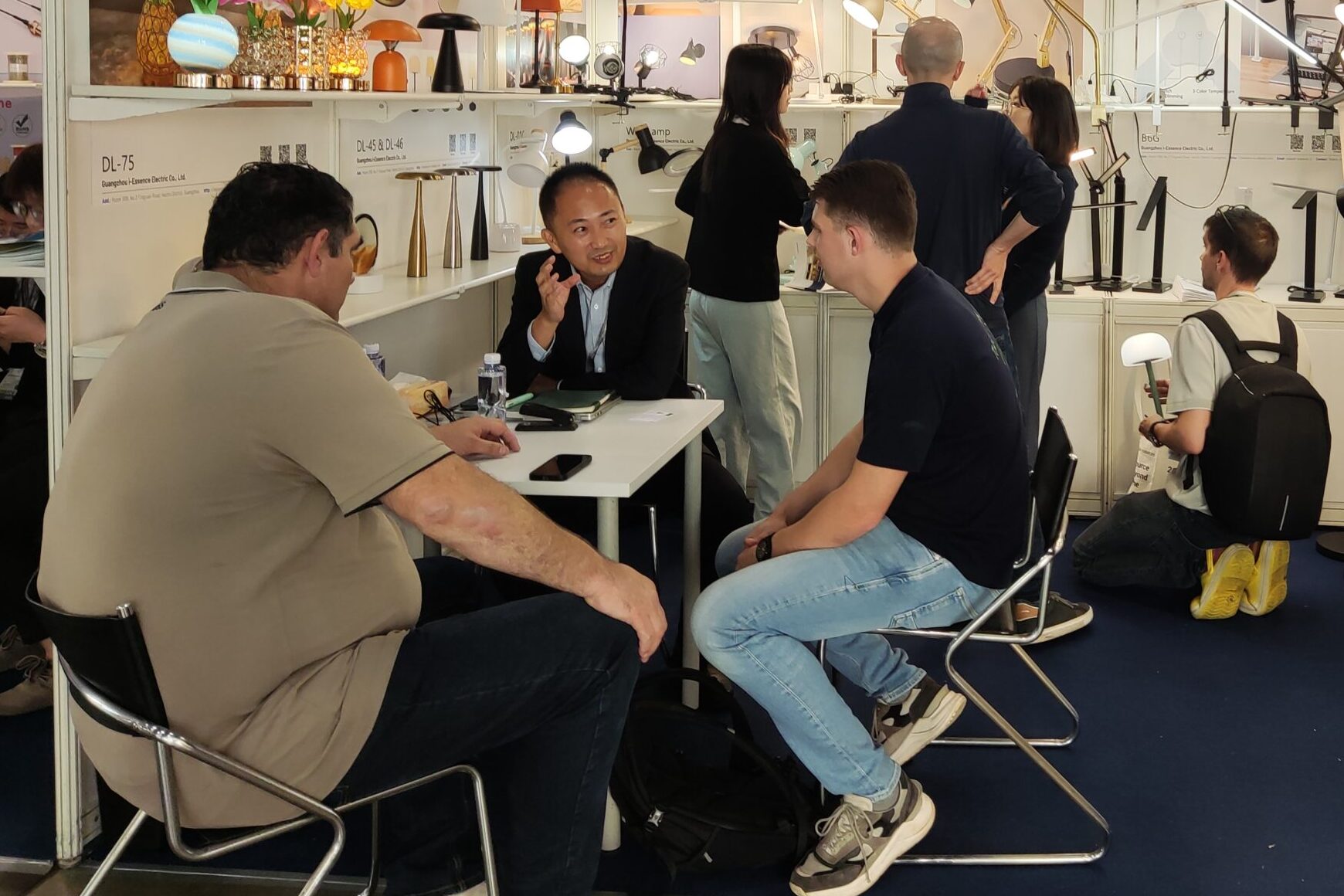
2. Production lead times:
- What is the current lead time from confirmed order to ex-factory? (Not catalog lead time — actual current lead time)
- What happens if your order overlaps with a peak production period (e.g., pre-Christmas)?
- Can they provide a production timeline broken into stages (material procurement → assembly → QC → export packing)?
Industry benchmark: For standard products with no tooling, 30–45 days is typical. Custom OEM with new tooling may run 60–90 days for the first production run.
7. Warranty and After-Sales Support: What Happens When Something Goes Wrong
Product failures happen. The question is not whether your manufacturer will face a quality issue — it’s how they handle it when they do.
Ask these questions before signing:
- What is the warranty period? (Industry standard for indoor lighting: 2–3 years)
- Does the warranty cover the driver/transformer, or just the LED component?
- What is the claim process? How long does a replacement take?
- Will they cover replacement parts, or full unit replacement?
- Have they handled warranty claims for large retail accounts before? Can they provide a reference?
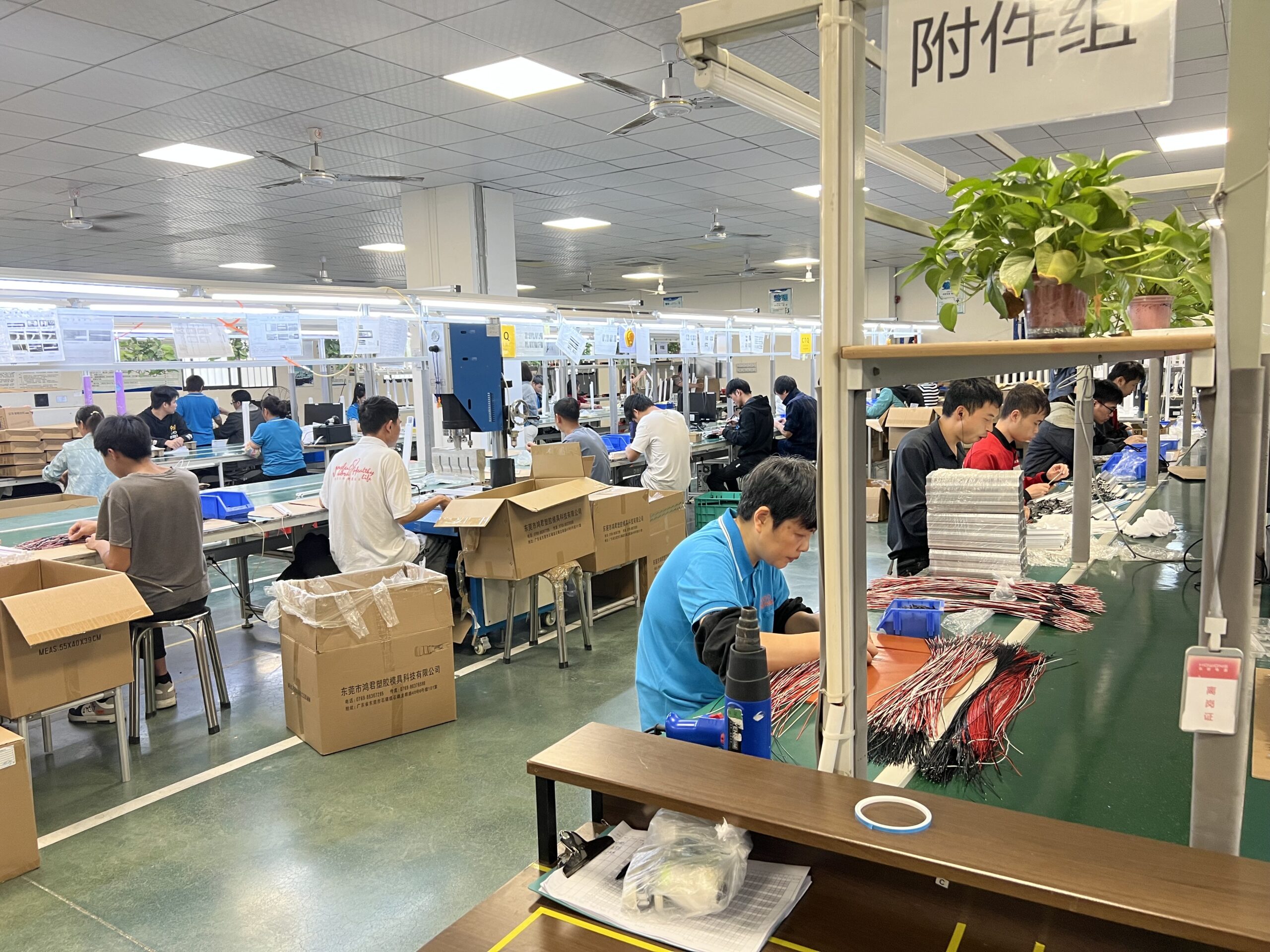
A manufacturer that has worked with major retailers will have a documented warranty and claims procedure. If they’re vague or say “we handle it case by case,” that’s a flag.
The Manufacturer Evaluation Checklist
Before you commit to any indoor lighting manufacturer, run through this checklist:
– [ ] Confirmed they are a direct factory (not a trading company)
– [ ] Verified certifications match the target market (CE, UL, UKCA, etc.)
– [ ] Confirmed BSCI or equivalent social compliance audit (if required by buyer)
– [ ] Reviewed R&D and OEM/ODM capabilities
– [ ] Agreed on MOQ that matches your current stage
– [ ] Requested and reviewed a recent third-party factory audit report
– [ ] Verified current production lead times (not catalog estimates)
– [ ] Confirmed warranty terms in writing, including driver coverage
– [ ] Established a direct technical or project management contact
– [ ] Requested product samples before placing any volume order
Why Experience With Major Retailers Matters
There’s a meaningful difference between a factory that has shipped one container to a boutique brand and one that has sustained multi-year supply relationships with Walmart, Carrefour, or Leroy Merlin.
Large retailers enforce compliance standards that most buyers never think to ask about — packaging drop tests, label compliance, restricted substance lists, routing instructions, EDI data requirements, and more. A manufacturer that has navigated those requirements is already operating at a higher baseline than one that hasn’t.
When you partner with a factory that’s held to retail-chain standards, you benefit from that infrastructure even if you’re not a retail chain yourself.
Common Mistakes Buyers Make (and How to Avoid Them)
Choosing based on price alone. A unit cost that’s 15% lower doesn’t compensate for a batch with 8% defect rate, a delayed shipment, or a failed audit.
Skipping the sample stage. No matter how confident you are in a supplier, always test a physical sample before committing to volume. Catalog photos are not product specs.
Not confirming certifications for your specific market. CE is not sufficient for the US. UL is not sufficient for the UK post-Brexit. Confirm exactly which certifications your customers or import requirements demand.
Ignoring communication quality. If getting a quote takes three days and three follow-up emails, that pace will follow you through production, shipping, and warranty claims.
Treating MOQ as non-negotiable. Many manufacturers have more flexibility than their stated MOQ suggests, especially for repeat buyers or buyers who consolidate orders across multiple SKUs.
Final Thoughts
Selecting the right indoor lighting manufacturer is a business decision that shapes your cost structure, product quality, customer experience, and supply chain resilience for years.
The manufacturers worth partnering with are easy to identify: they’re transparent, they have documentation for everything, they respond quickly, and they’ve already proven their capabilities with demanding customers.
Do your due diligence, ask the hard questions, and don’t rush the sample stage. The short-term effort saves long-term pain.
i-Essence has been manufacturing indoor lighting for global retailers and brands since 2003. Our facility is BSCI-audited, CE/UL/UKCA certified, and has supplied to Walmart, Carrefour, and Leroy Merlin. If you’re evaluating manufacturers for your next project, for a quote or factory introduction.
Start Your Custom Table Lamp Project
Send us a message if you have any questions or request a quote. Our experts will give you a reply within 24 hours and help you select the right valve you want.
- +86 18689416060
- sales@i-essence.cn
- Room 1105, No.3 Tingyuan Road, Haizhu District, Guangzhou, China